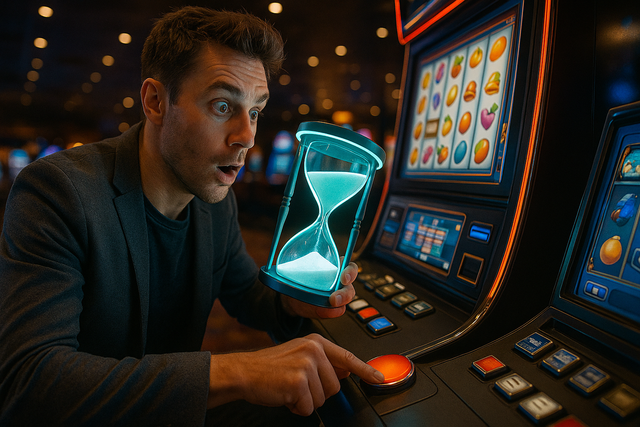
Fast Games in Today’s Digital Rhythm
Quick games thrive in a world shaped by short attention spans. People move through online spaces with speed, and their entertainment habits follow the same pattern. Players look for simple, immediate engagement that delivers satisfaction without delay. The appeal grows stronger as daily life becomes more crowded, and small windows of free time feel more valuable. Quick games fill these windows with light entertainment and instant outcomes.
Many players turn to short formats because they want a break that fits within their schedule. A game session that lasts only a minute gives them space to unwind without planning ahead. This style of play matches the modern rhythm of digital environments, where everything moves fast and attention shifts quickly. Quick games fit smoothly into this landscape and become part of everyday habits.
The link between quick games and modern playstyle often appears in mobile use. Smartphones support instant access at any time of the day, and players often open a game during a commute or while waiting. The design of platforms like rioace casino shows how quick formats match current expectations, offering immediate engagement. This type of experience feels natural for players who want entertainment that adapts to their pace instead of slowing it down.
Elements That Create Instant Engagement
Fast games rely on mechanics that require minimal effort. The rules stay clear, and the controls feel intuitive. Players start a session without preparation or learning curves. This simplicity gives the experience a sense of flow and keeps attention grounded in the present moment. The quick cycle between action and result strengthens engagement.
Fast outcomes support this effect. A round begins, progresses, and ends in moments. The pace gives players a steady rhythm of micro-rewards. These small bursts of excitement work especially well for people who enjoy quick feedback. Short game loops create a feeling of energy without pressure, and the player remains in control of the experience.
Visual simplicity also plays a large role. Fast games often use clean screens, bold icons, and direct cues. The layout avoids unnecessary clutter. This reduces friction and helps players focus on the core mechanic. The experience feels smooth from the first tap to the final result. These elements combine to make quick games instantly attractive to players looking for clear, focused entertainment.
Quick Play in Everyday Moments
Quick games fit naturally into small breaks. A player opens a game during a pause in work, a short rest, or a moment of waiting. The experience offers light stimulation without emotional weight. This style of play works well because the activity requires no long-term commitment. Players enjoy entertainment without blocking out time from their schedule.
Short sessions also reduce mental pressure. People often want a distraction that feels easy. A quick game fills the gap with predictable structure and fast engagement. The player enjoys the session and then steps back into their day without disruption. This reinforces the habit and makes fast games a regular part of daily routines.
Mobile devices play a big role in this behaviour. The rise of portable entertainment encourages players to use these moments productively or simply to relax. Quick games respond instantly to this demand. Players appreciate an option that starts and ends whenever they choose. The flow feels natural, and the experience becomes a comfortable part of modern digital life.
Balancing Speed and Player Control
Fast game formats succeed because they respect player control. A session begins and ends on the player’s terms. This freedom shapes the experience and builds trust. People enjoy knowing that a game will not demand long sessions or sustained focus. Short bursts of play feel refreshing and manageable.
Satisfaction plays a major role. Quick games deliver small victories through frequent results and fast cycles. These rewards encourage continued engagement without overwhelming the player. The structure creates a balance between stimulation and calm. Players walk away feeling satisfied rather than drained.
Designers build these games with intention. They use pacing, clarity, and clean mechanics to support healthy play habits. Fast formats give people a form of entertainment that adapts to their lifestyle. The balance between speed and control creates a smooth experience and strengthens the appeal of quick games in modern digital culture.