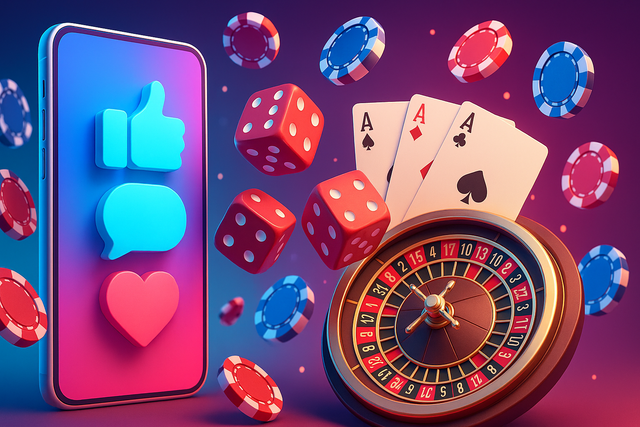
How Social Media Changed the Way Players Connect
The gaming world used to be a space for solo adventures or local multiplayer sessions. Players would meet only in person, sharing controllers or taking turns on a single screen. That era changed once social media began merging with gaming, turning it into a global conversation. Players started connecting beyond the games themselves, forming friendships and communities that extend across continents. Platforms like Twitch, Discord, and YouTube created open doors for interaction and discussion.
Social media gave gamers a collective space where stories, achievements, and frustrations could be shared instantly. A player can now stream their experience, discuss tactics in real time, and receive live feedback. This transformation made games more than entertainment; they became social ecosystems. People join Discord servers to coordinate raids, discuss updates, or simply share memes from their favorite titles. Gaming stopped being an isolated hobby and evolved into an online identity.
The presence of communities also impacted the way casinos and online platforms communicate with their audiences. A brand like casino vegashero uses similar principles to engage players, keeping them connected through forums, chats, and social channels. These communities are built on transparency and shared excitement. Players become advocates, spreading news and bonus alerts faster than any advertising campaign. The line between playing, sharing, and belonging became thinner than ever before.
The Power of Influencers and Online Communities
Influencers now shape the gaming industry more than traditional media. Streamers and content creators reach millions of followers daily, offering reviews, gameplay insights, and entertainment. Their words hold weight because they speak the language of players, not corporations. A single Twitch stream can make a niche game explode in popularity overnight. Influencers transform how audiences perceive games, making them relatable and visible.
Online communities built around these influencers strengthen the ecosystem even further. Fans create fan art, share clips, and discuss strategies on Reddit or Telegram groups. These networks form loyal circles where engagement never stops. Developers and publishers recognized this power and began collaborating with influencers directly. Sponsored content and co-branded events became standard, blurring the line between promotion and authentic enthusiasm.
Community-driven projects, such as modding teams or eSports clans, also show how social connection fuels creativity. Players build their own experiences inside existing titles, extending a game’s life beyond its official version. Fan-made tournaments attract thousands of participants and viewers, creating a bridge between casual play and professional gaming. This active participation ensures that games remain relevant long after release.
Social Media Marketing and Game Promotion
Social media changed how games are marketed. Developers no longer rely only on advertisements or press coverage. Instead, they use Twitter, Instagram, and TikTok to showcase updates, trailers, and behind-the-scenes content. A viral tweet or a well-timed teaser can attract millions of eyes within hours. The immediacy of social media allows players to interact directly with studios, offering opinions that often influence future updates.
Marketing strategies now revolve around engagement rather than exposure. Hashtag campaigns, giveaways, and live Q&A sessions replace static ads. Players respond better when they feel included, and brands capitalize on that emotion. Casinos, game publishers, and esports teams all depend on social momentum. The connection between community feedback and brand image became inseparable.
Data analytics made these campaigns even sharper. Platforms collect information on player interests, behavior, and preferred content. Developers and marketers use these insights to fine-tune promotions and bonuses. This personalized communication increases trust and satisfaction. Players no longer see marketing as interruption but as part of the gaming experience itself. Through this, the bond between creators and consumers deepened.
From Collaboration to Competition
Social media has intensified both teamwork and rivalry among players. Collaboration is now a core part of gaming, as groups form across the globe to complete missions or participate in tournaments. Coordination through voice chats or group streams adds a layer of realism and energy. When people work together online, friendships grow quickly because of shared effort and goals.
However, social platforms also fuel competition like never before. Leaderboards, achievements, and public challenges become visible to everyone. The desire to earn recognition through likes, shares, or victories drives many gamers forward. Esports events show this phenomenon perfectly: thousands of fans watch, comment, and celebrate in real time. Winning now means more than personal satisfaction; it becomes social validation.
This intensity can create both excitement and tension. Healthy competition pushes players to improve, but toxic interactions can emerge when boundaries fade. Social media magnifies both extremes. Communities now focus on moderation and inclusion, encouraging players to respect others while enjoying the thrill of rivalry. In this balance, gaming culture finds its strength — in connection, creativity, and shared emotion that defines the modern digital world.